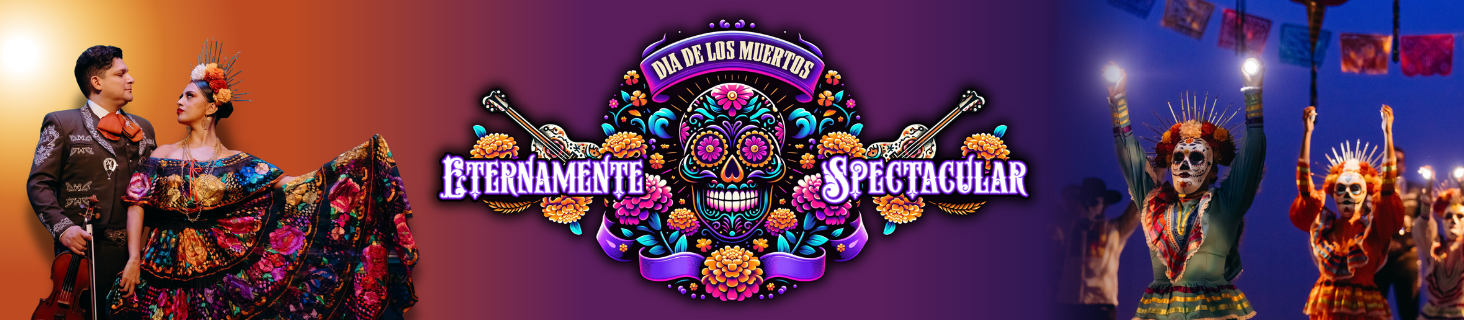
Eternamente: Día de los Muertos Spectacular!
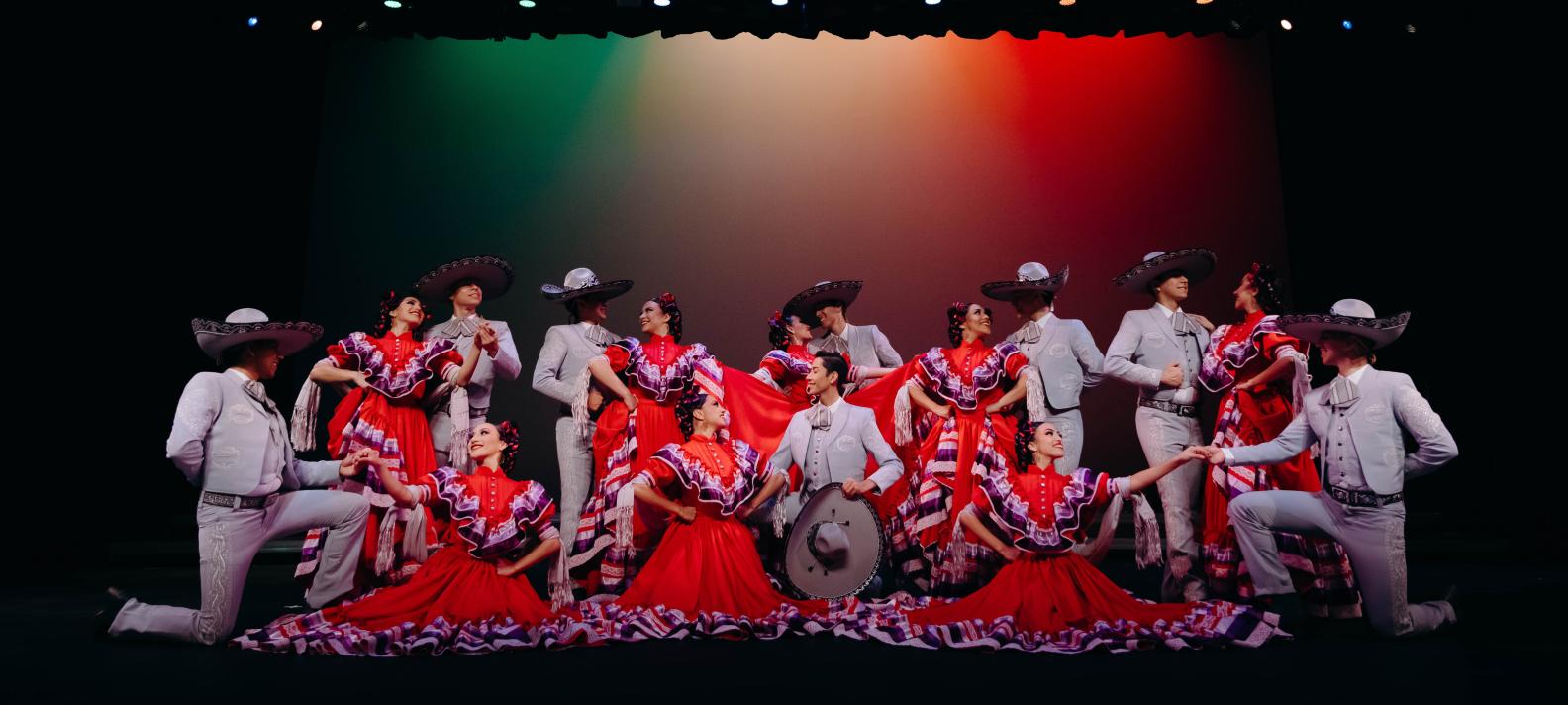
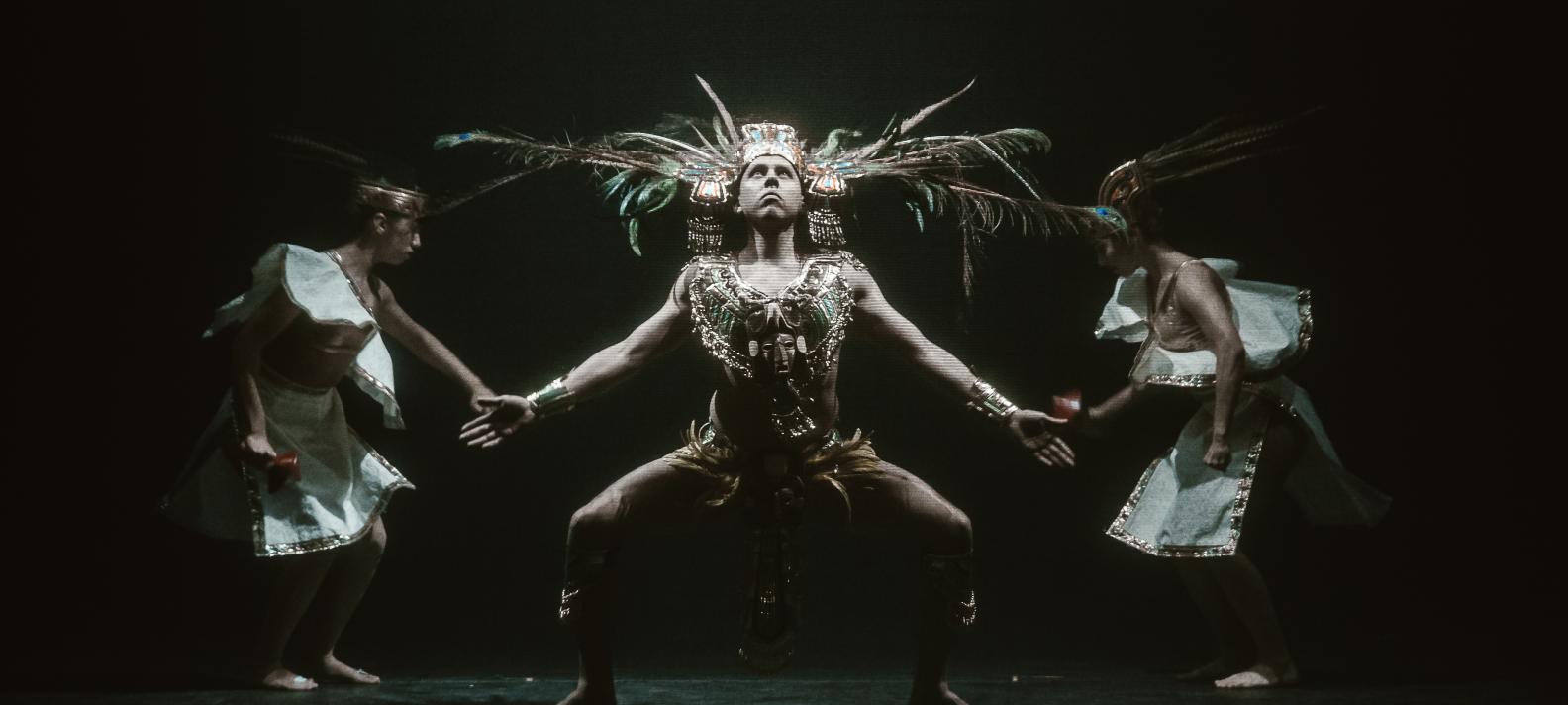
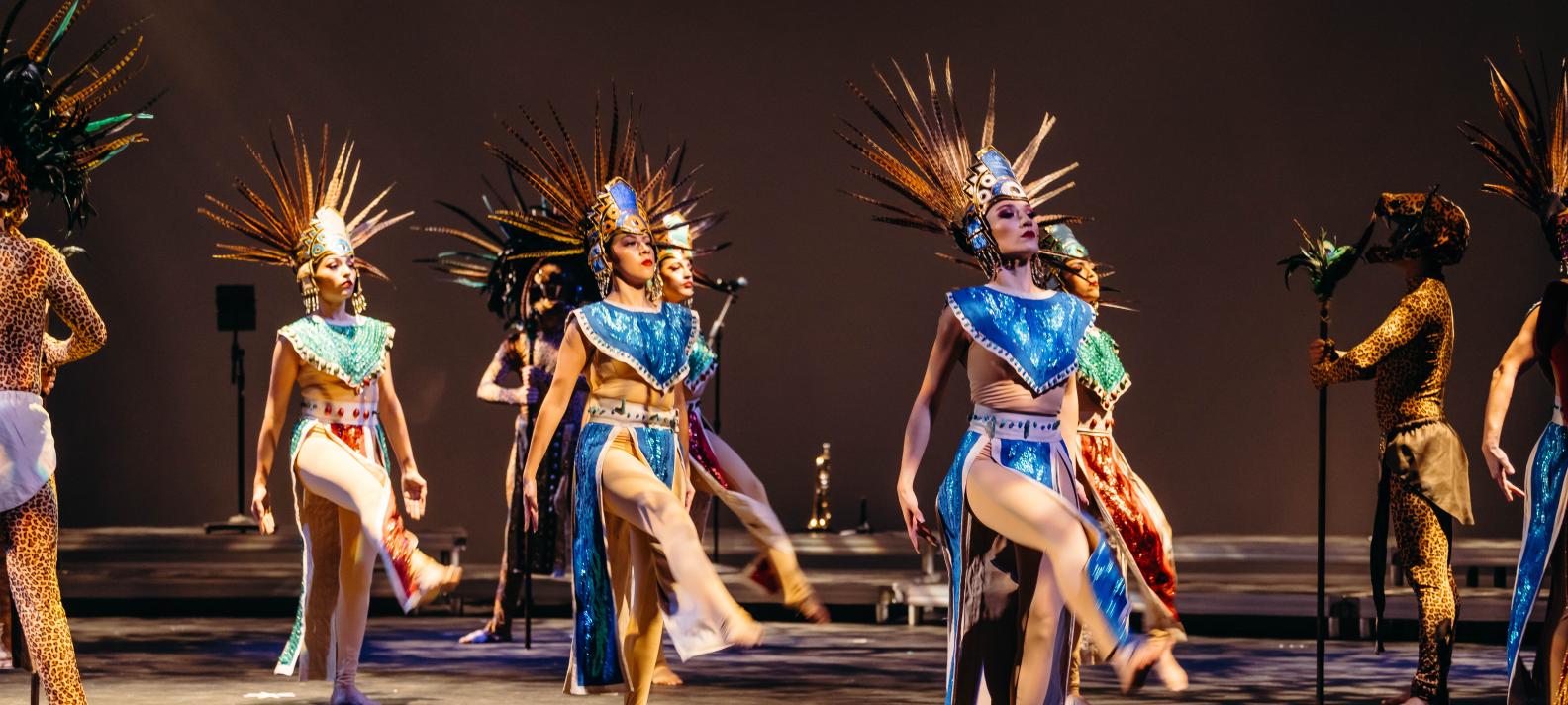
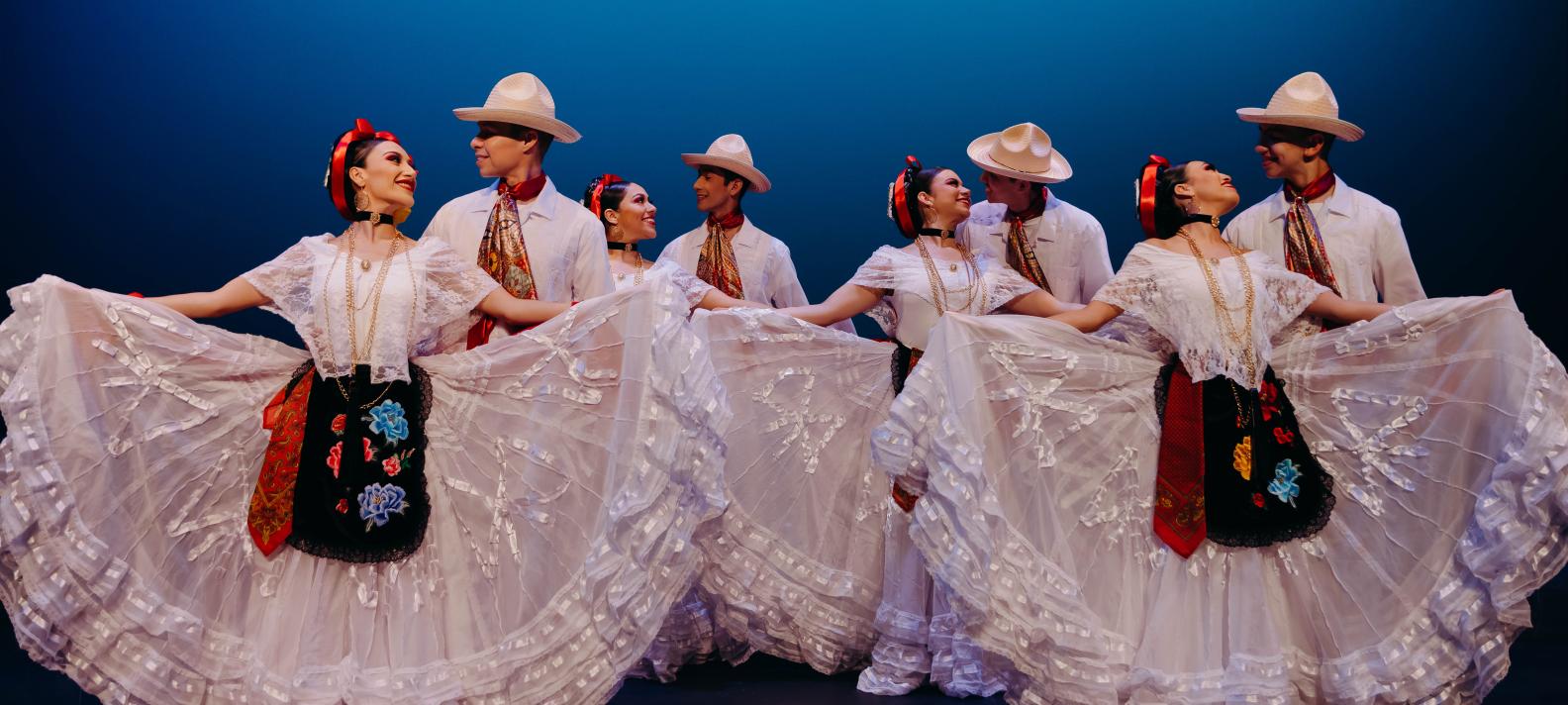
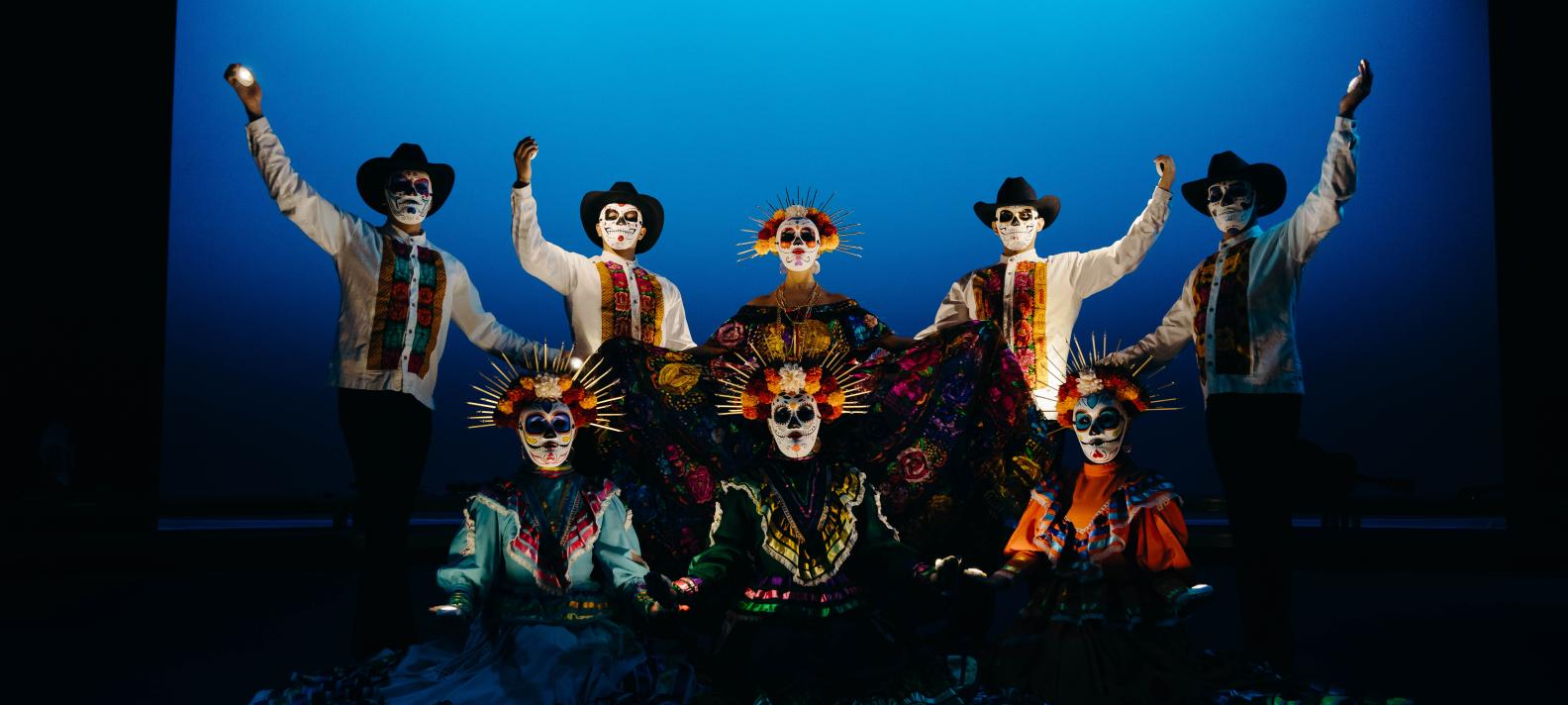
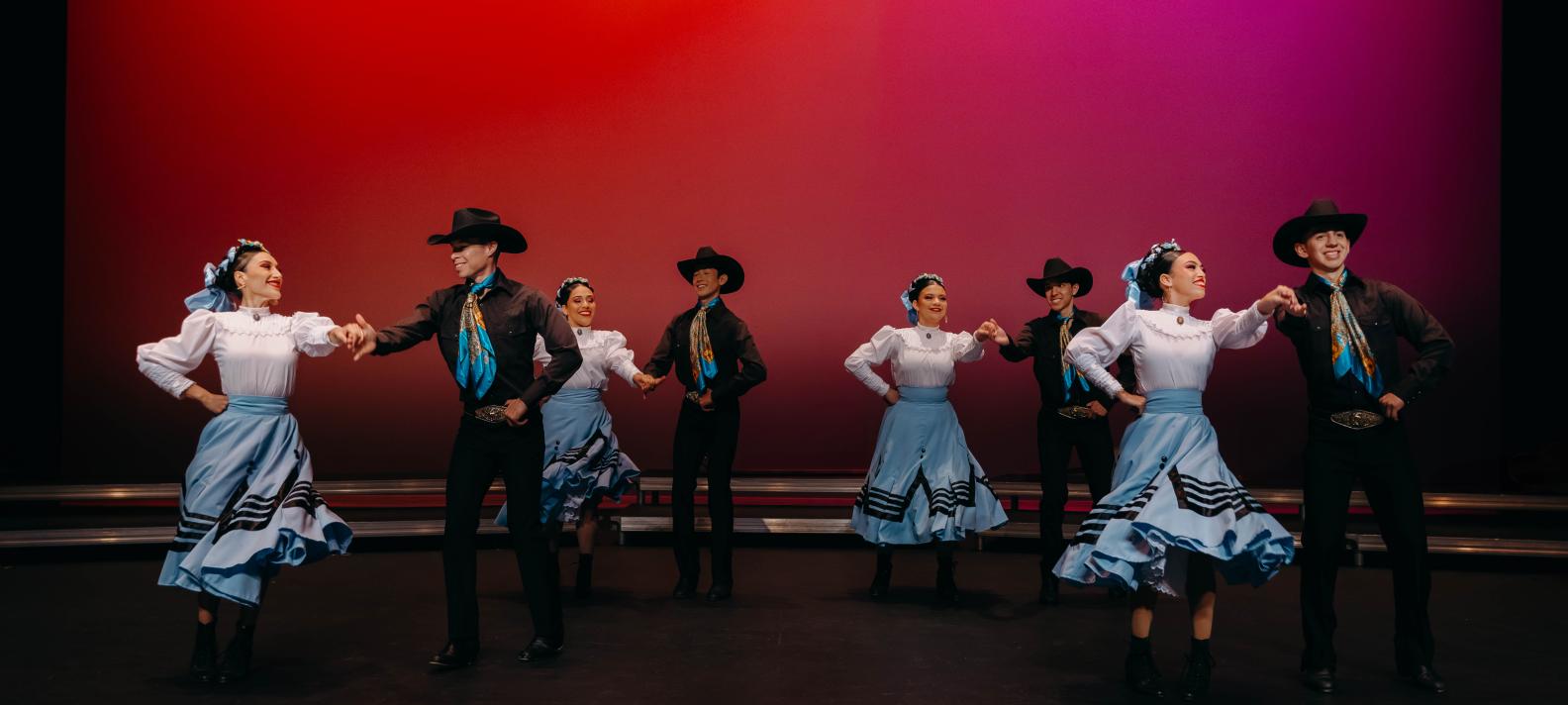
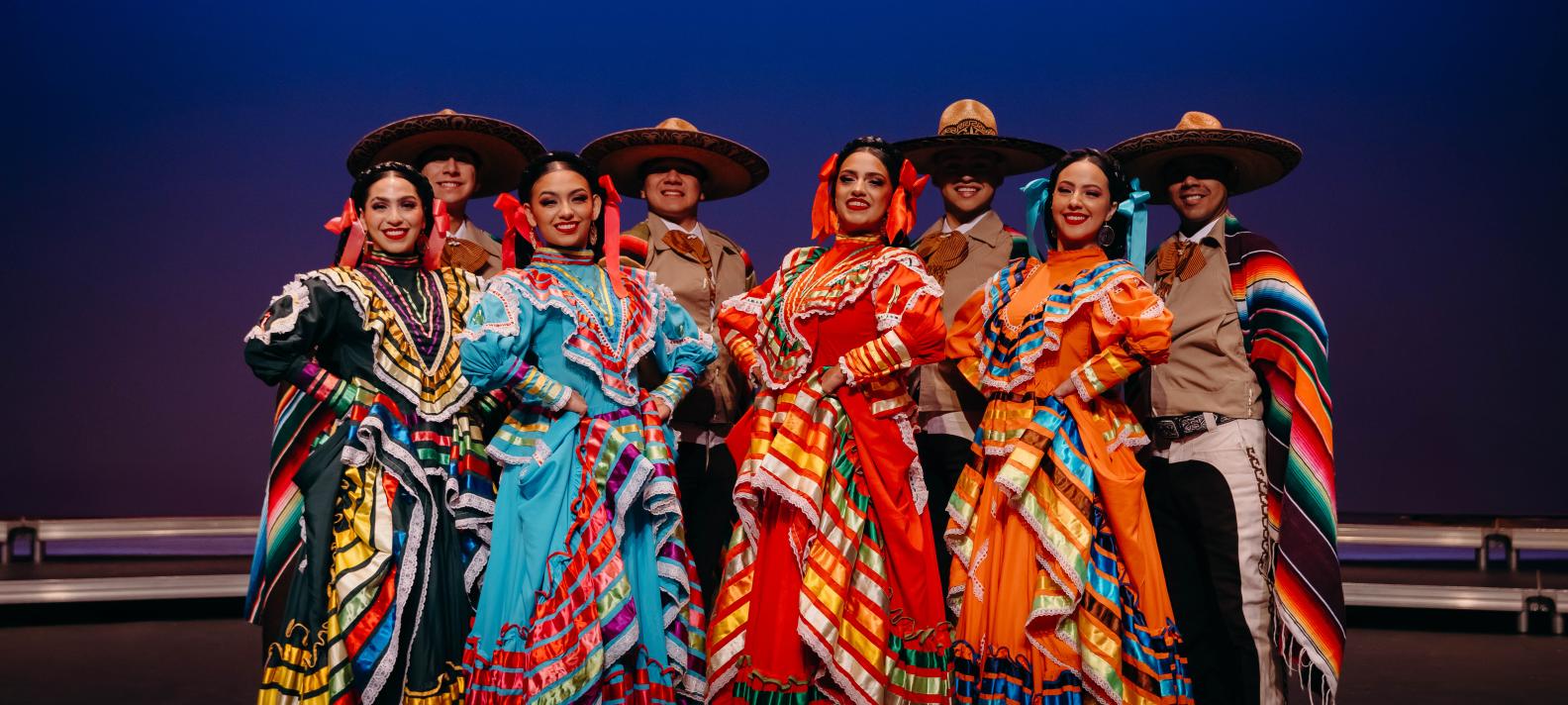
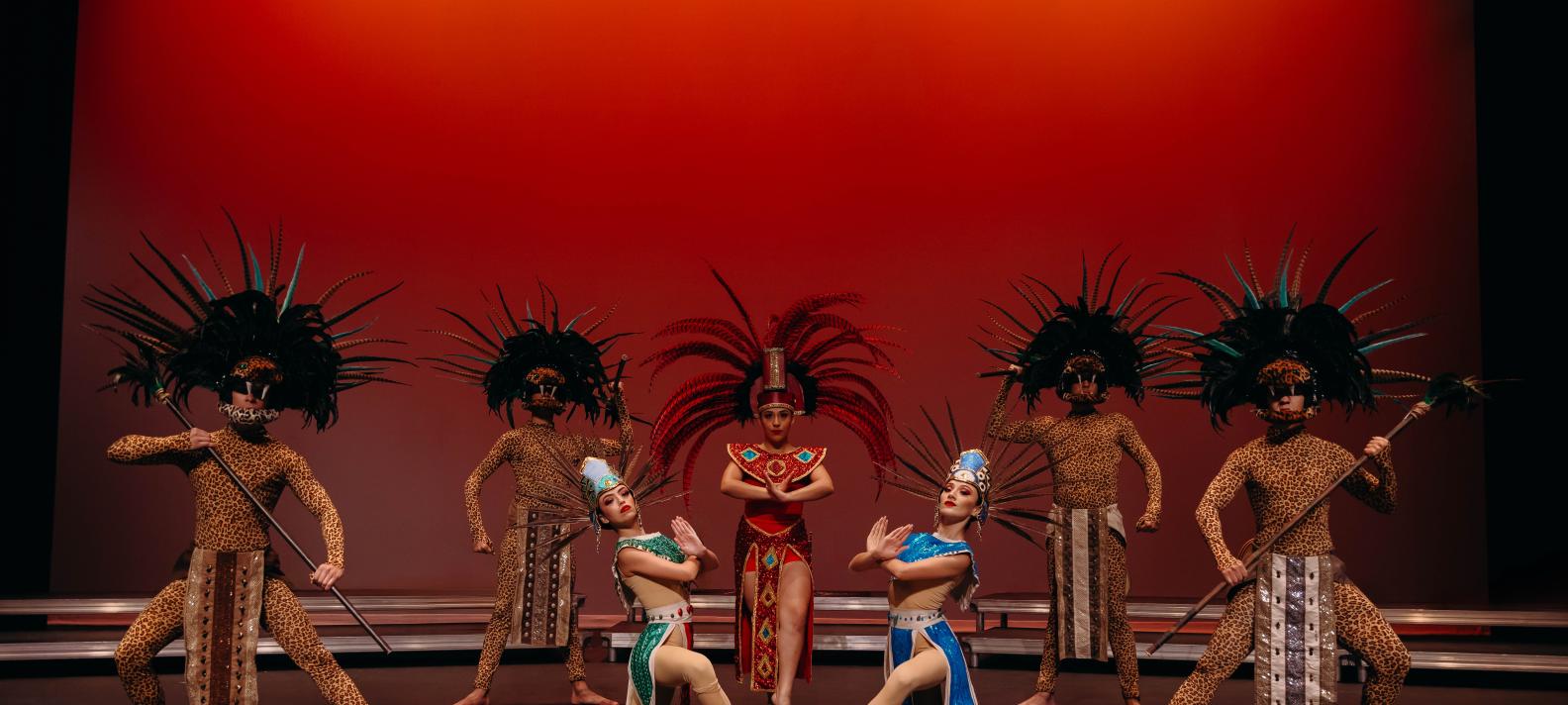
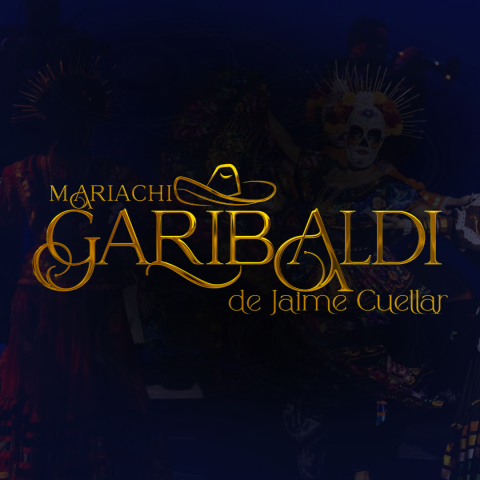
Blending the rich sounds of live mariachi with the color and precision of traditional folklórico dance, this production brings Día de los Muertos to life on stage. Audiences are invited into a world of vibrant costumes, dynamic choreography, and a moving visual tribute to loved ones who have passed.
At the heart of Eternamente is a deep reverence for Mexico’s musical legacy, with tributes to iconic voices such as Vicente Fernández, Pedro Infante, and Lucha Villa. Each performance becomes both a celebration and a remembrance, honoring the artists and traditions that continue to shape generations.
Thoughtfully staged and emotionally resonant, Eternamente is more than a performance. It is an invitation to reflect, to celebrate, and to remember.
Eternamente: A Día de los Muertos Spectacular! Tickets
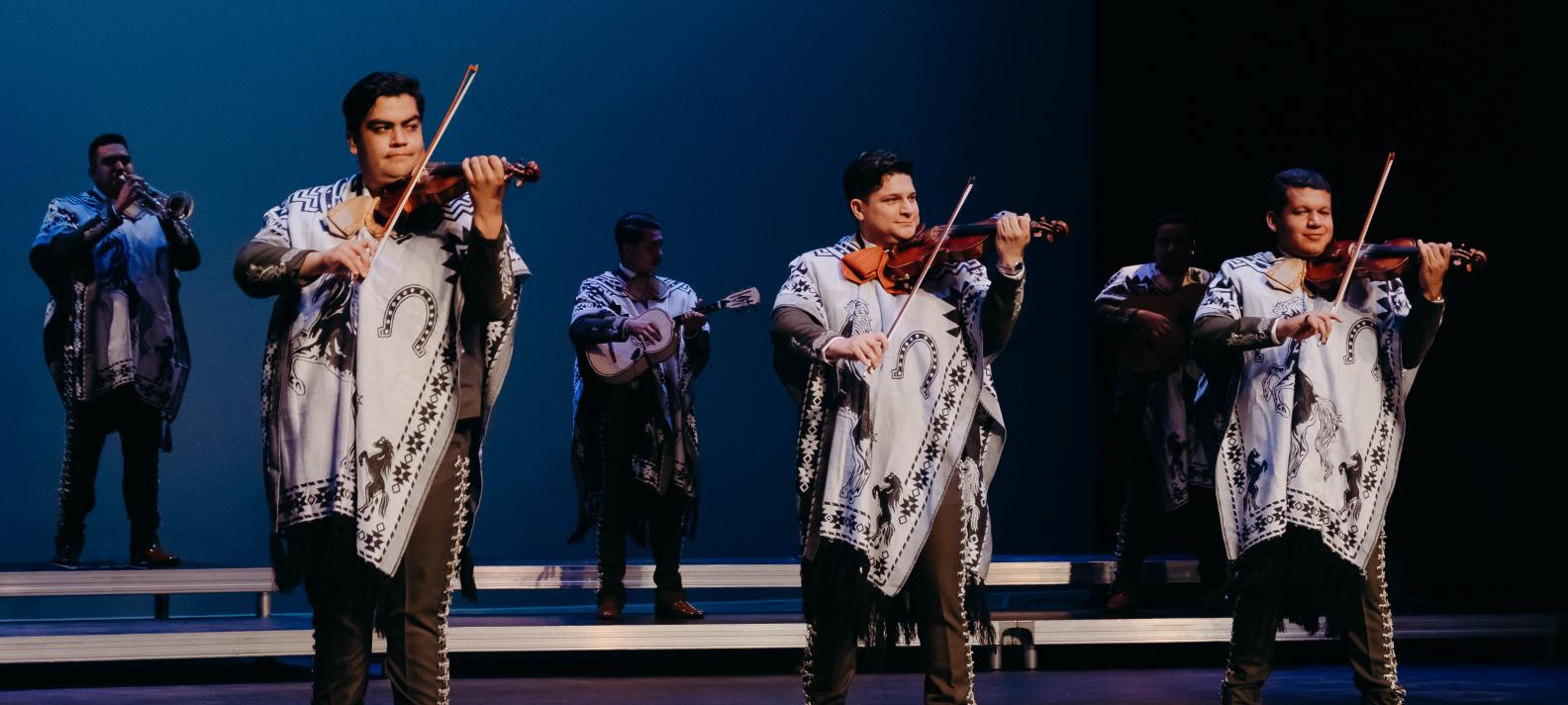
Mariachi Garibaldi de Jaime Cuéllar
From partaking in a viral “Jacket Exchange” with Los Angeles Dodgers player Joe Kelly (who proudly wore it to the White House to meet Joe Biden) to performing alongside pop sensation Camila Cabello, Mariachi Garibaldi de Jaime Cuéllar have truly become America’s Mariachi!
With over a 30+ year history of shows ranging from small intimate venues to collaborating with artists including Aida Cuevas, Pedro Fernandez, Ana Barbara and Angela Aguilar, this group originated from Bakersfield, California with a powerful father and son duo. Jimmy Cuéllar, alongside his father Jaime Cuéllar, were the founding members of Mariachi Garibaldi de Jaime Cuéllar. Jimmy began his craft when he was a teenager learning his skills on the violin, guitarron, vihuela, guitar, and guitarra de golpe. He would then secure a 10-year tenure with Mariachi Los Camperos de Nati Cano.
In 2005, Jimmy was a featured artist on the Grammy Award winning album cELLAbration: A Tribute to Ella Jenkins. In 2008 he was apart of Pepe Aguilar’s Grammy winning “Cien Por Ciento Mexicano,” and in 2009 he received a Grammy for Best Regional Mexican Album with “Amor, Dolor, y Lagrimas”.
Today Jimmy Cuéllar is the Musical Director for Mariachi Garibaldi de Jaime Cuéllar, the Mariachi program at Redlands University, and of the new school CUE Music in Montebello. As a composer, arranger, multi-instrumentalist, and three-time Grammy Award Winner, Jimmy Cuéllar understands the importance of education. In 2009, he also received his Bachelor of Arts degree from California State University, Long Beach’s Bob Cole Conservatory of Music. His talents, both as an educator and musician, have been recognized nationally as Jimmy has a yearly seat as an adjudicator for the statewide Mariachi Competition held in Texas.
Ballet Folklórico del Río Grande
With numerous state, national, and international concerts under their belt, Ballet Folklórico del Rio Grande is a thirty-member organization that is comprised of alumni of the internationally recognized collegiate folklórico program offered at The University of Texas Rio Grande Valley (UTRGV is the only school in the United States that offers a folklórico dance major). For the last four years this folklórico group has showcased at the John F. Kennedy Center for the Performance Arts in Washington, D.C. Internationally they have toured in Canada, France, Italy, Argentina, and Mexico. Along with traveling internationally they have worked with internationally known artists such as Los Tigres del Norte and Aida Cuevas.
Ballet Folklórico del Rio Grande and The University of Texas Rio Grande Valley work together to showcase and educate foreign communities to Mexican dance. Miguel Peña, originally from Reynosa Mexico, is not only the Artistic Director for Ballet Folklórico del Rio Grande, but a professor at UTRGV.
Before directing Ballet Folklórico del Rio Grande, Miguel played a key part in the ensemble for “Espectaculo Jarocho” under the direction of Richard O’Neal (former Assistant Director of Riverdance) for more than five years. His work goes beyond Texas with different dance companies such as BYU Folk Dance Ensemble, Ballet Folklórico Nacional de Milwaukee, Ballet Folklórico de Austin, and several Rio Grande Valley folklórico groups.
Ballet Folklórico del Rio Grande’s mission is to be “more than entertainment, it is a celebration of culture, history, and human connection. Audience of all ages will leave inspired by the beauty, passion, and enduring spirit of Mexico.” (1)
Día de los Muertos
El Día de los Muertos (the Day of the Dead) is a traditional Mexican holiday celebrated from November 1-November 2. During this time families welcome back the souls of their deceased loved ones for a brief reunion celebration. While honoring their loved ones, this holiday helps portray death more positively, while creating peace that it’s a natural part of the human experience.
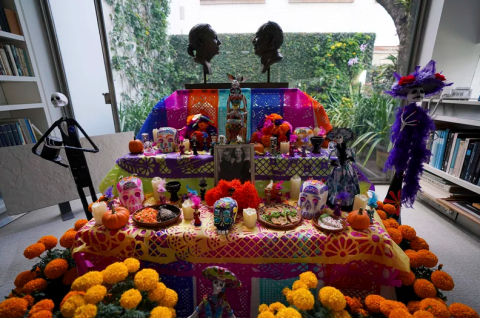
Origins of Día de los Muertos trace back thousands of years to the Indigenous people of Mesoamerica, particularly the Aztecs, Toltecs, Olmecs, and Maya. Death didn’t represent an end, but a continuation of existence into another realm. It was believed that the dead would remain connected to the living and can return to share the earthly world.
There was a common belief among Aztecs that after a person’s death their soul would embark on a journey (through Chicunamictlán, or the Land of the Dead) before reaching their final resting place, which is called Mictlan (underworld realm governed by Mictlantecuhtli and Mictecacíhuatl, the lord and lady of the dead). This journey is believed to take many years, so families would play an active role in helping their loved ones to complete it by offering food, water, and personal objects. These gestures were meant to remind their deceased loved ones that they are not forgotten.
In the 16th century, when Spanish colonizers and Roman Catholics arrived, they introduced the new calendar system and introduced All Saints’ Day and All Souls’ Day that occurred on November 1 and 2. Indigenous communities adapted these frameworks to their belief and rituals of remembrance. Today Día de los Muertos embodies this cultural exchange that blends their beliefs and understandings of life and death. Both standing in remembrance of the dead and a testament to the resilience of Indigenous traditions.
Purchase with Confidence
Purchase with confidence. Tickets for all Lewis Family Playhouse performances are available only through the Lewis Family Playhouse Box Office or our official website. We cannot guarantee the validity of tickets purchased through third-party sellers, and prices from unauthorized websites may be significantly higher than face value.
Works Cited
1. Mexico Spectacular by Ballet Folkorico del Rio Grande. Marian Liebowitz. [Online] [Cited: October 12, 2026.] https://www.marianliebowitz.com/ballet-folklorico-del-rio-grande.
2. Britannica. Day of the Dead. [Online] October 09, 2026. [Cited: October 12, 2026.] https://www.britannica.com/topic/Day-of-the-Dead.